De Speelhoeve (Emmaüs vzw)
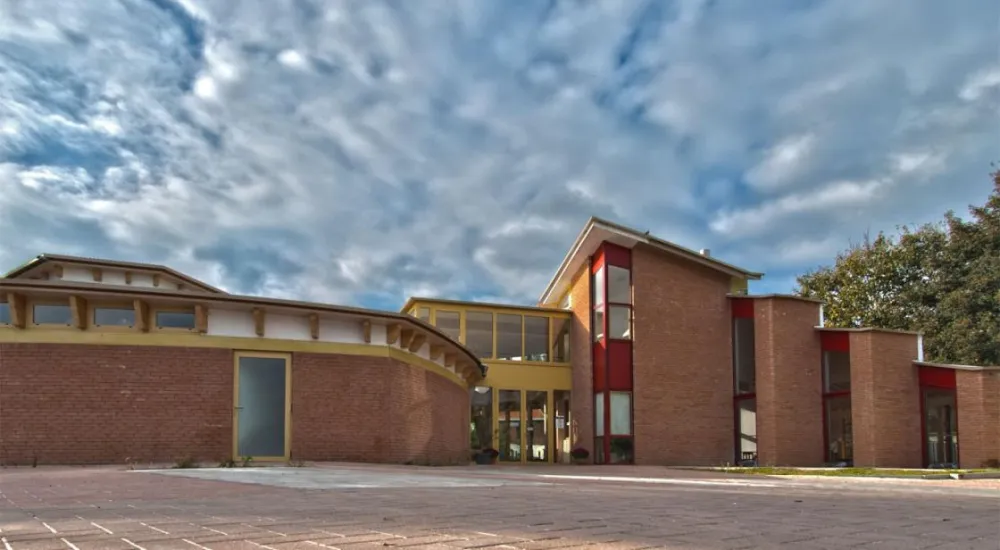
At the start of 2025, De Speelhoeve in Vremde was going through a difficult period. The service provided compassionate, small-scale daytime support for children and young people with profound and multiple disabilities, but the lack of leadership was placing the team under considerable strain.
The day-to-day service continued through staff commitment and sheer determination. Team members did everything they could, but without structure or a clear point of contact, tensions rose. Parents noticed too: they saw a succession of new faces and faced growing uncertainty about the future.
The board therefore brought in Charlotte as interim and crisis manager. Her brief was to restore stability and trust, and to rebuild the connection between the board, the team and parents. She was also asked to explore opportunities for collaboration that could address the vulnerability arising from the organisation’s small scale.
Restoring calm on the ground
Charlotte’s approach was simple: listen first, then act. She spoke individually with every member of staff to understand what they needed to move forward. This brought not only insight, but above all a sense of calm. “At last, someone had come in and taken the lead,” says Line Smeuninx, who was a physiotherapist at De Speelhoeve at the time. “That brought stability. People could focus on providing care again rather than simply surviving.”
This work to restore stability led to a few small but consistent practices: brief morning check-ins, a clear allocation of responsibilities and reliable communication. They may have seemed like details, but they restored a sense of rhythm to a team that had been running on adrenaline for far too long. “People felt valued and could once again focus on work that gave them energy,” says Line. Parents noticed the difference too. Communication was clear, including about issues that had not yet been resolved. “Charlotte communicated openly and honestly, even when there were no immediate answers. That helped rebuild trust.”
Alongside this work on the ground, a complex governance process involving merger discussions was under way. Marc Pattyn, General Director of Zevenbergen, part of Emmaüs vzw, remembers the situation clearly: “De Speelhoeve was rudderless. There was no leadership and the pressure was intense. Without someone like Charlotte, we couldn’t have managed it.” He highlights her ability to work with both boards, remain transparent and prepare decisions carefully. “She kept everyone engaged—from the team to the board—and that made all the difference.”
“There was no leadership and the pressure was intense. Without someone like Charlotte, we couldn’t have managed it.”
Towards a stronger whole
As calm gradually returned, so did the conviction that De Speelhoeve would be more secure as part of a larger organisation. The team and parents recognised both the need and the urgency. Discussions with Zevenbergen progressed unusually quickly: the initial approach was made in February, the letter of intent was ready by May and, by 1 July 2025, a shared governance structure was already in place. “We didn’t spend any longer on the decision than we needed to,” says Marc. “We needed that pace.”
There was another reason for moving quickly. De Speelhoeve and Zevenbergen work with the same group of children and young people and are located only a few kilometres apart. With long waiting lists, parents live with the constant concern of whether their child will have access to the right support later in life. Bringing the two organisations together was therefore both a logical step and essential to safeguarding continuity.
Charlotte made sure the merger did not become a source of division. She oversaw communication, kept the team focused and ensured that decisions were clearly understood and accepted. As a result, the transition was not a sudden shock, but a gradual process that built confidence.
The right person at the right time
Both Marc and Line speak highly of Charlotte’s approach. “Warm and crystal-clear at the same time,” says Line. “Human and approachable, but always grounded in expertise.” Marc adds: “She brought calm, but also direction. That combination is rare.”
When Charlotte’s assignment came to an end, the organisation was able to build on what she had established. Line took over the day-to-day coordination, providing continuity and retaining knowledge within the team. “The agreements and routines have stayed with us,” she says. “We still check in every morning. People are talking to one another again, even when things are difficult. That may be her greatest legacy.”
Since January 2026, De Speelhoeve has officially formed part of Zevenbergen within Emmaüs vzw. It has deliberately retained its small, welcoming character: the homely atmosphere, the close relationships, the garden where children play and parents know one another. Marc agrees: “Everyone who visits says the same thing: it feels warm and welcoming here. We want to preserve that, even within a larger organisation.”
Calm, rhythm and realism
De Speelhoeve’s experience reflects the reality facing many organisations in the care sector: small teams under pressure, boards reaching the limits of their capacity and a sector in which collaboration is increasingly becoming a necessity. The strength of this case can be summed up in three words: calm, rhythm and realism—calm on the ground, rhythm in communication and realism when making choices about collaboration.
Would you like to learn more about S&L’s approach to crisis and interim management?
Making deliberate choices about collaboration
The care and welfare sector faces significant challenges. Addressing them requires organisations to make clear choices about how and when to work together. How can you retain what makes your organisation distinctive while choosing forms of collaboration that create genuine value for the people you support, your teams and your board?

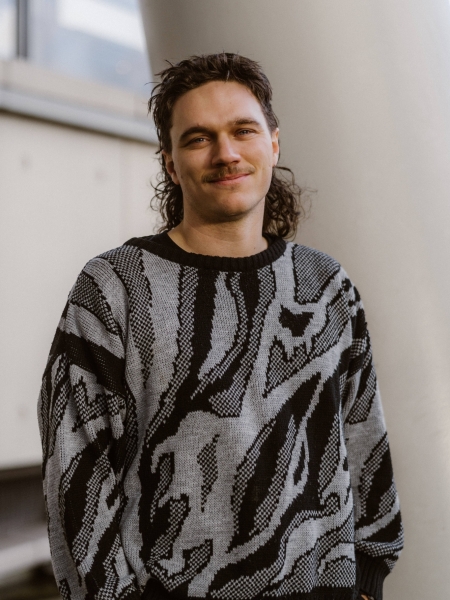
De Speelhoeve (Emmaüs vzw) had support of these team members

Does this case appeal to you?
We would be happy to discuss your organisation’s specific needs. Two of our consultants will meet with you to explore your request and develop an initial proposal. Based on your feedback and further co-creation, we will then prepare a final proposal.