The core of the pressure is easy to identify and difficult to resolve: shortages. Vacancies are hard to fill and, especially in a residential context, the facility cannot “just close for a while.” The clients are there every day; staffing levels have to be right. Open shifts therefore do not disappear; they fall to those who are there. “It is often the mainstays who keep taking on more and more,” notes Siska van Houtte. Boundaries blur, fatigue builds up, and the risk of absence increases: the start of a vicious circle that further depletes teams.
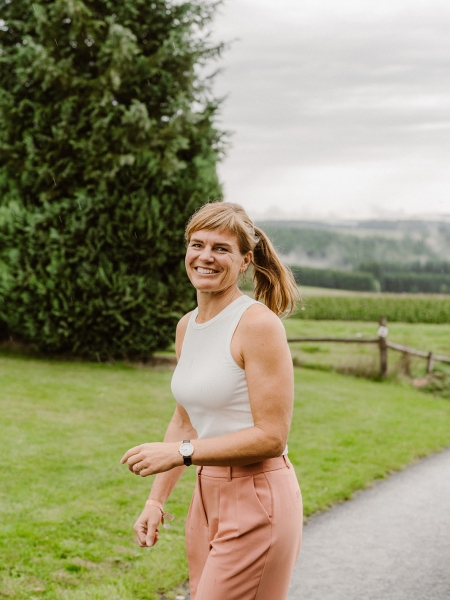
That dynamic is not limited to the workplace. Middle management roles are few and far between, meaning that directors more often step into operations themselves. In smaller organizations, supporting staff roles are absent, and the director simultaneously becomes the HR manager, financial administrator, and spokesperson. Charlotte Delbeke (photo) sees how “putting out fires” takes over the agenda and eats up the time that is precisely needed to break the cycle: targeted training, team development, process improvement. In that rhythm, caring leaders easily forget themselves; without room to learn and recover, their resilience also becomes depleted.
Straight in at the deep end
Meanwhile, the inflow is changing. Fewer people are consciously choosing healthcare, and newcomers more often have limited professional experience. That is not a problem if there is time for learning on the job, but it is precisely that time that is not always available. Coaching requires attention from colleagues who are already at their limit themselves. Younger generations are also quicker to look for variety and balance; “Yes, job mobility has increased significantly”. In an environment with high work pressure, that makes retention a daily task.
The policy framework increases the complexity. Governments are encouraging collaboration and networking: between residential facilities, home care and primary care. “A logical development, but it requires new competencies, adapted IT systems and different processes.” Support is not provided everywhere to match this.
In elderly care, the financing model also translates into a harsh reality: the more severe the resident profile, the more funding. This pushes organizations toward more intensive care and more often leaves lighter profiles out of the picture. Charlotte sums it up simply: “The care burden is increasing and the room to differentiate is shrinking.” Such unintended effects also occur in the VAPH sector.
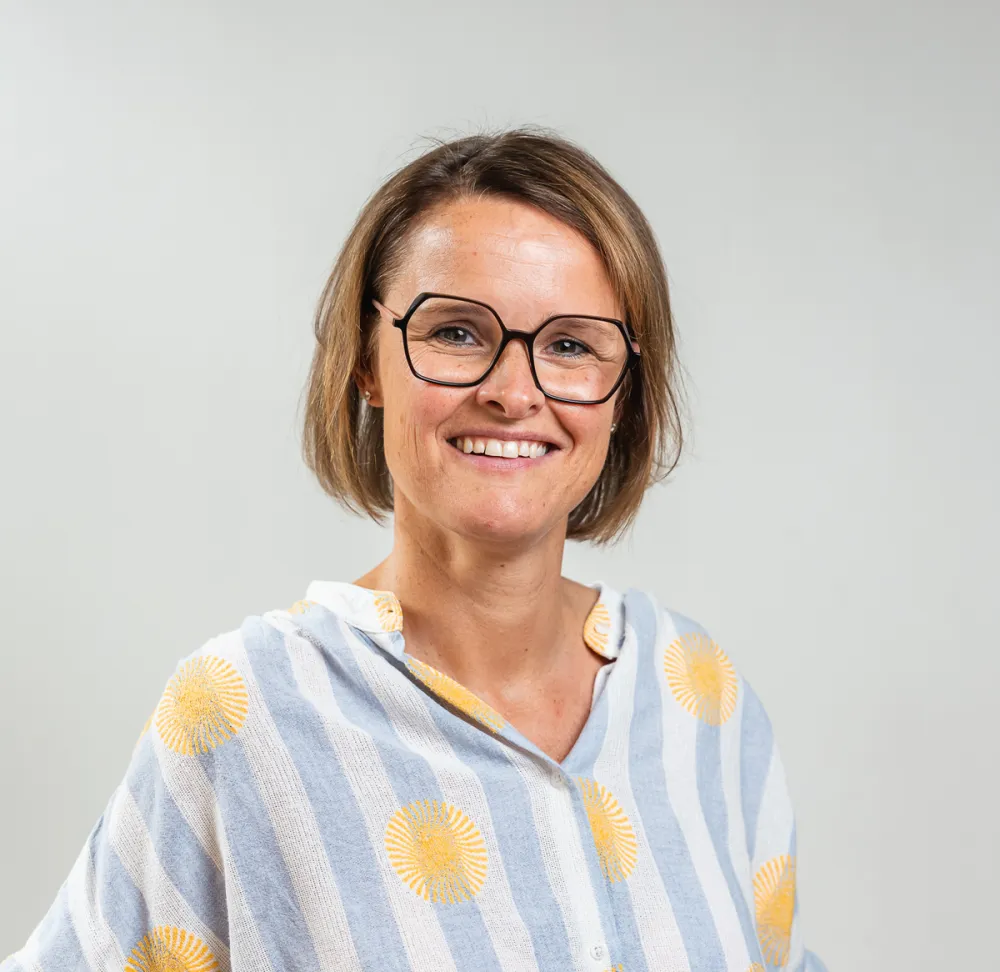
Financially, the playing field becomes volatile when resources are tied to the number of clients. Income fluctuates, and planning becomes a matter of precise monitoring and flexible deployment. Siska (photo) points to an additional shift in the VAPH sector: Directly Accessible Support. “It increases accessibility, but also raises the question of whether support can remain sufficiently intensive everywhere. On the ground, uncertainty translates into tension, and tension into stress. Even in the smallest teams.”
“Ten years ago, a vacancy for a support worker would be flooded with applications; today, you’re happy with two candidates.”
No time for ‘Employer Branding’
In addition to staffing and policy, persistent structural factors are at play. Care needs are becoming more complex, the administrative burden remains high, and reforms follow one another while previous ones (implementations; ed.) are still ongoing. Charlotte: “Organizations have to reinvent themselves almost permanently, often with the same people and under greater pressure. This is where strong governance can make the difference: board members who not only have good intentions, but also the competencies to provide direction, support, and calm. Where that governance is lacking, management is too often left on its own.”
Why is recruitment so difficult? "Intensive and irregular work, scarce onboarding time, and a lack of training.” Many organizations also do not have a dedicated communications team to present their story powerfully to the labor market. “Ten years ago, a vacancy for a support worker would be flooded with applications; today you are happy with two candidates,” says Siska. Employer branding therefore becomes more than a slogan: it is consistently showing who you are - online and in everyday actions. Charlotte emphasizes how employees then become the most credible ambassadors. Recognition and appreciation set them in motion and make the difference between staying and leaving.
So, together then?
“Collaboration can ease the pressure, but it is not a miracle cure. Clients bring resources and continuity with them; as a result, organizations are both partners and competitors,” they say in unison. “The art lies in strategic focus: where do you strengthen each other in quality and efficiency, and where is it better to safeguard your own identity?” Siska: “When institutions have the courage to explore what they can do better together - from night shelter to knowledge sharing or digitalization - a lot can shift, provided there are clear goals, clear roles and agreements that you actually follow.”
The keys to recovery lie in space and choices: “Leaders need time to lead: reflection, training, coaching. Boards that truly support bring stability and keep the long term on the agenda.” Digitalization is useful if it noticeably eases administration, not if it makes processes heavier. And discipline is needed to stop doing what consumes too much energy in relation to its value: “kill your darlings” so that the core (professional closeness and quality in care) once again comes first.
Charlotte: “Hope rarely arises from one major intervention. It grows through small, consistent movements that bring energy back into the system: teams that start on time again, leaders who reserve time every week for the front line, boards that consciously choose what no longer needs to be done. They are small but powerful signals.”
Siska sees the same undercurrent: people who do not give up, even when things get difficult. “If that caring professionalism is connected with calm, structure and collaboration, there is more than enough to build on. The cycle does not break by itself, but it does break through a series of conscious choices that bring the energy back to where it belongs: at the core of care.
Want to know more?
During our breakfast session Autonomy or merger phobia in care and welfare we take a deeper look at how organizations choose the right form of collaboration. We share practical examples of care institutions that found a balance between autonomy, efficiency and shared impact.










