Interim management | When your team gets stuck
Working relationships have broken down. Step in before tensions escalate.
Unspoken frustrations. Meetings that drag on—or are avoided altogether. People talking about each other instead of to each other. Roles keep shifting and decisions stall. The atmosphere changes. Everyone senses it, but no one names it.
S&L restores calm, structure and psychological safety through difficult conversations, clear agreements and rebuilding trust.
Does this sound familiar?
Collaboration no longer comes naturally, but the cause is difficult to pinpoint. Meetings feel strained or are avoided altogether. The workload becomes increasingly concentrated among some team members, while others disengage. Decisions are either not made or made by whoever speaks the loudest. Senior leadership can feel the atmosphere deteriorating but lacks the capacity to manage both the team crisis and day-to-day operations.
The longer this continues, the greater the human and organisational cost.
How we work
- The interim manager steps in as team lead and begins with focused conversations, both individually and in small groups. We map the underlying dynamics: what is really happening, who is carrying what, and where tensions are concentrated.
- Based on those conversations, we establish an initial set of clear agreements: a workable meeting structure, clear decision-making lines and basic standards for communication. No lengthy process that takes weeks to produce results, but practical steps with an immediate effect.
- We then facilitate the difficult conversations that have been avoided, clarify roles and help the team develop a workable division of responsibilities. We coach leaders in holding uncertainty, because change affects people before it affects structures.
Not everything will be resolved. But enough will change for the team to move forward together again.
What will you gain?
- Calm and psychological safety
Someone who can hold and name tensions without judging those involved. - Structure and clarity about roles
Clear agreements about who is responsible for what and who makes which decisions—without endless discussions. - Rebuilding trust
Difficult conversations take place and agreements are honoured. - Preventing burnout and departures
Workloads and priorities are brought back into balance before burnout or resignations become inevitable.
”
What this looked like in practice
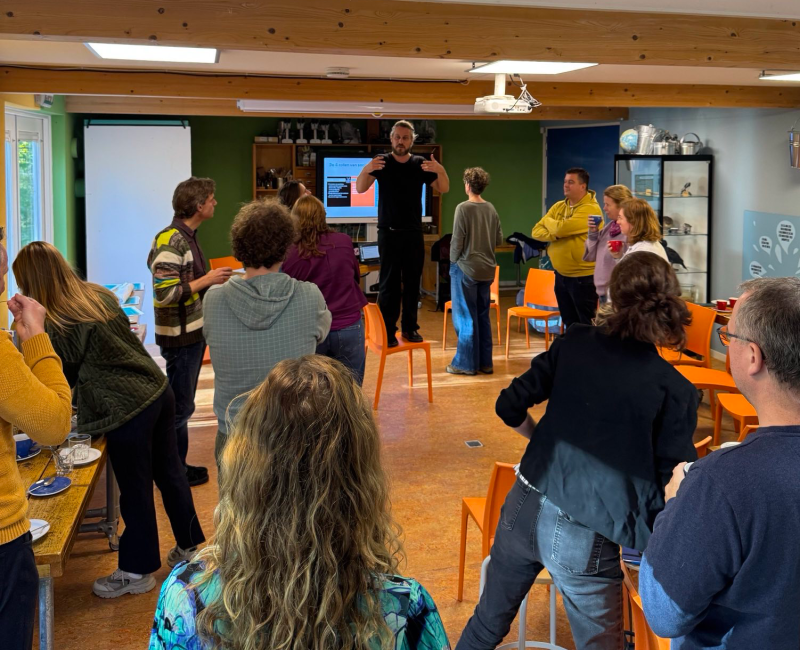
Tensions had been building within an organisation of around twenty people. Some team members felt consistently overloaded, while others had disengaged emotionally. Meetings dragged on endlessly or were avoided altogether. Senior leadership could feel the atmosphere changing but lacked the capacity to manage both the crisis and day-to-day operations.
S&L stepped in as interim team lead. We began with short, focused conversations, both individually and in small groups. We mapped the underlying dynamics and established an initial set of clear agreements on meeting structures, decision-making lines and communication. We then facilitated the difficult conversations that had been postponed for too long, clarified roles and helped the team develop a workable division of responsibilities.
The result: not everything was resolved, but enough trust was rebuilt for the team to work together again, respect boundaries and look ahead with confidence. Not every team member stayed.
Want to know more or schedule a meeting? Have a question?
Don't hesitate and let us know.