The decline in government funding is prompting many organizations to raise funds more quickly and on a broader scale. But this acceleration carries a risk: that we may unwittingly drift toward an Anglo-Saxon model in which philanthropists and large foundations determine which initiatives receive attention and resources. That is precisely what we want to avoid in Europe. Fundraising should not be based on what a donor wants, but on the community you work for and with.
There is also another danger: if all organizations dive into the fundraising pool at the same time, it creates a " survival of the fittest "leaving only the organizations with the largest budgets and best connections. That is not an ecosystem based on solidarity, but a race to the bottom for the entire civil society sector."
The Community as a Compass
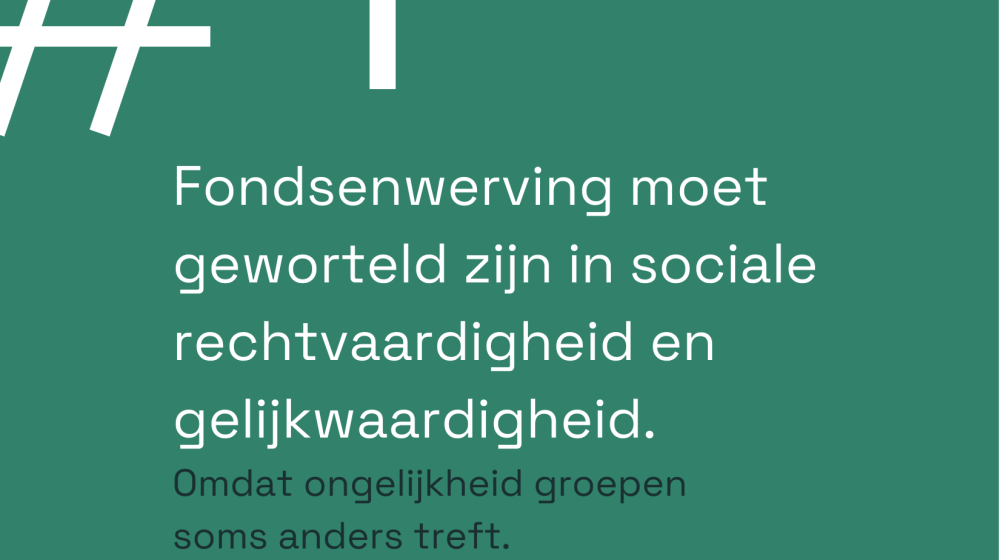
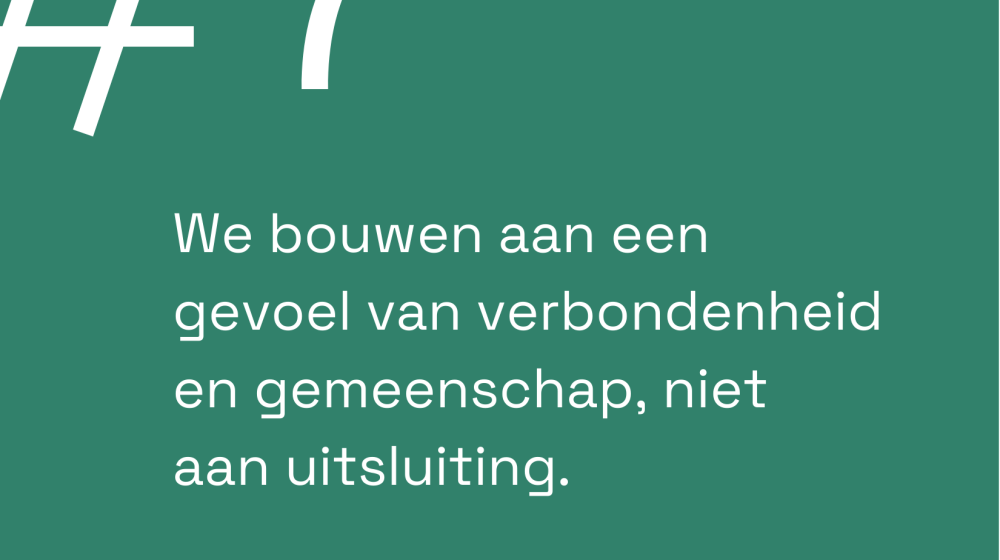
Community-centric fundraising offers a solid response to that challenge. The starting point is simple yet radical: the focus is not on your organization, but on the community. Fundraising is not an end in itself, but a means to bring about social change together.
The framework consists of 10 principles drawn up by fundraisers from the U. S.—yes, the very country where government interference is minimal and fundraising comes in all shapes and sizes. Paradoxically, these principles offer us here in the Netherlands a valuable guide for doing things differently than in the U. S.
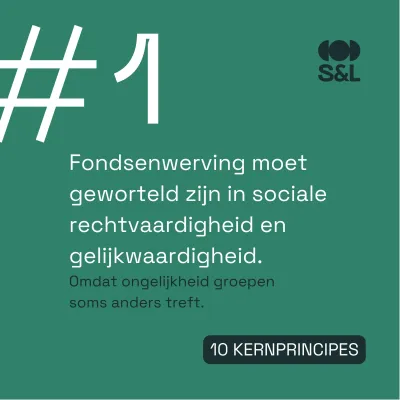
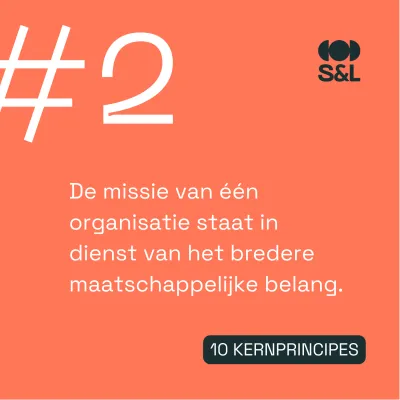
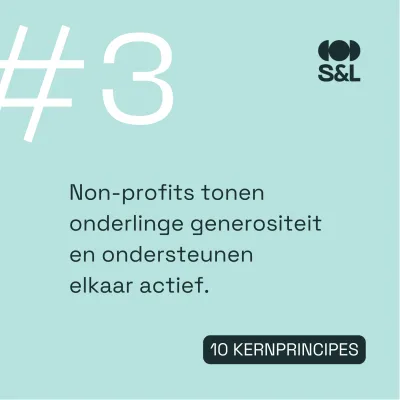
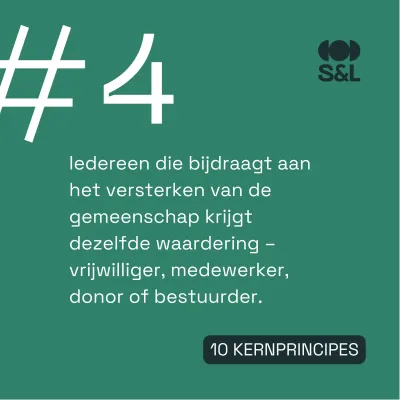
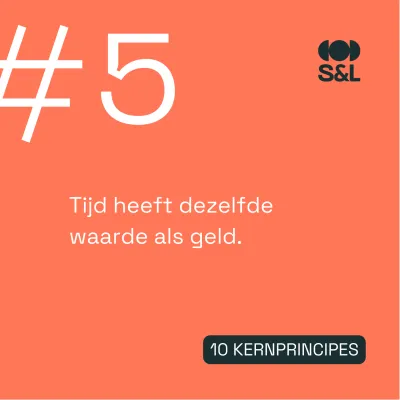
The 10 Core Principles Applied to Our Context
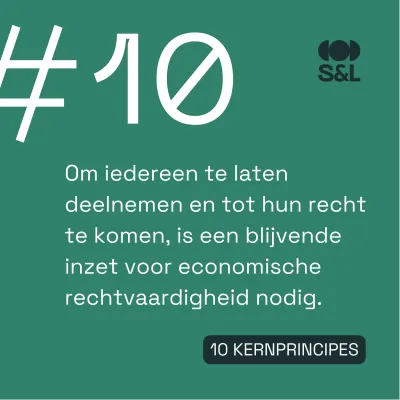
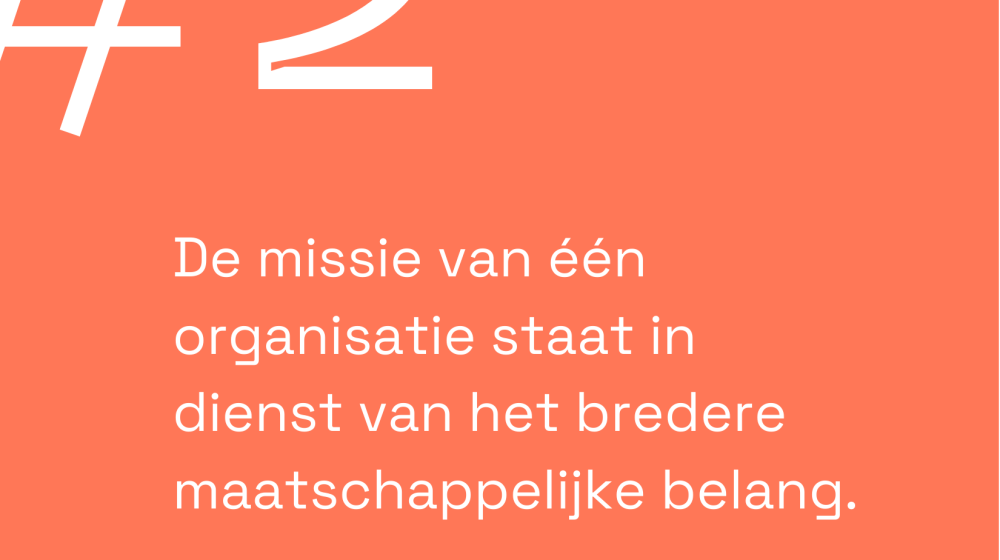
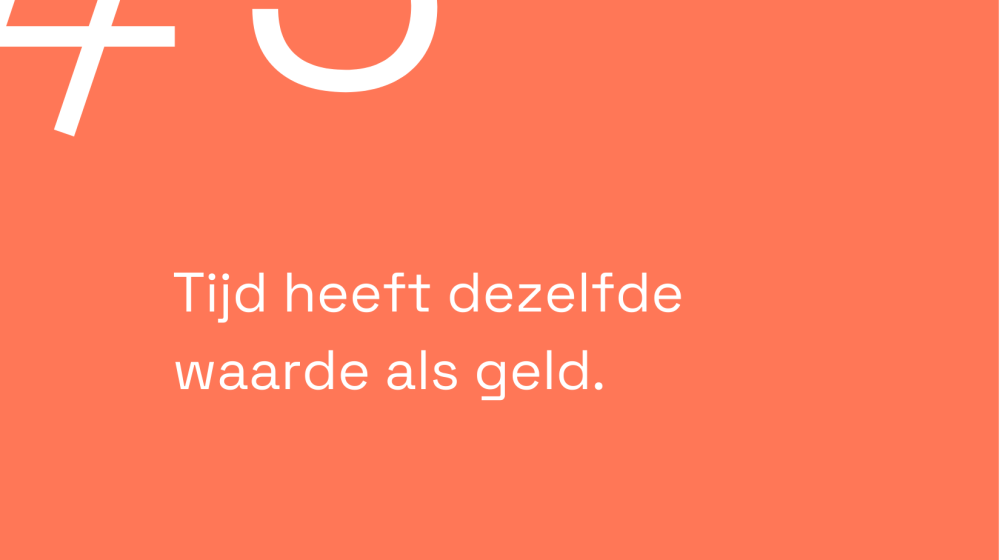
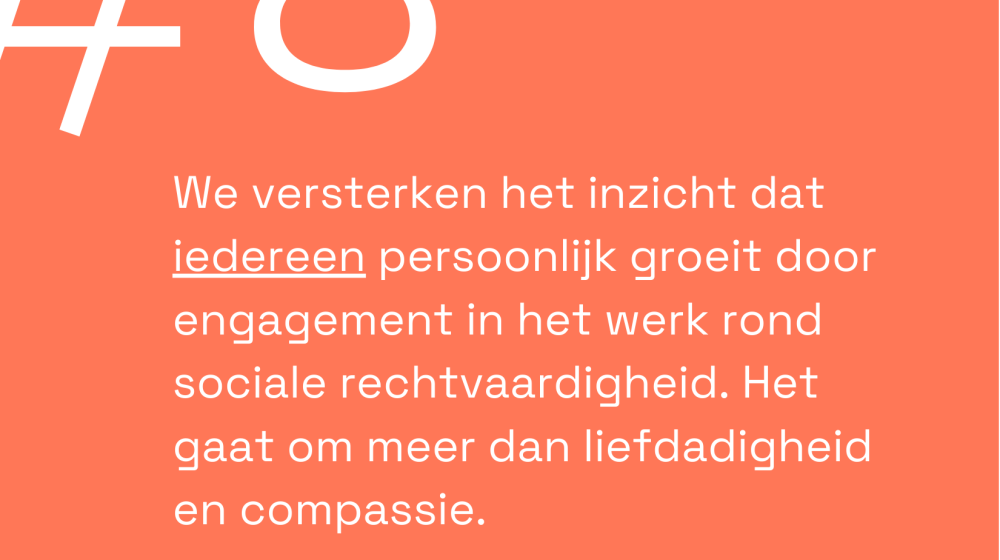
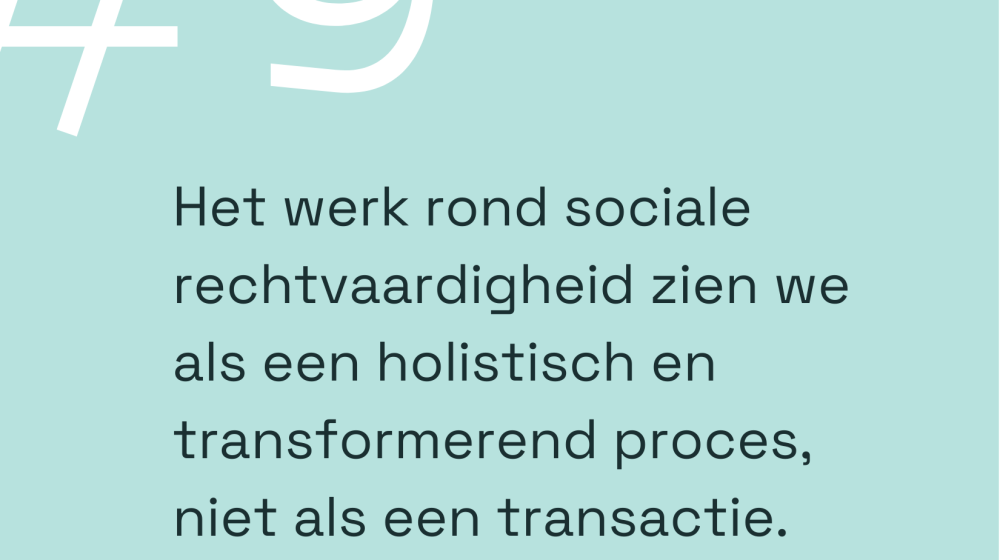
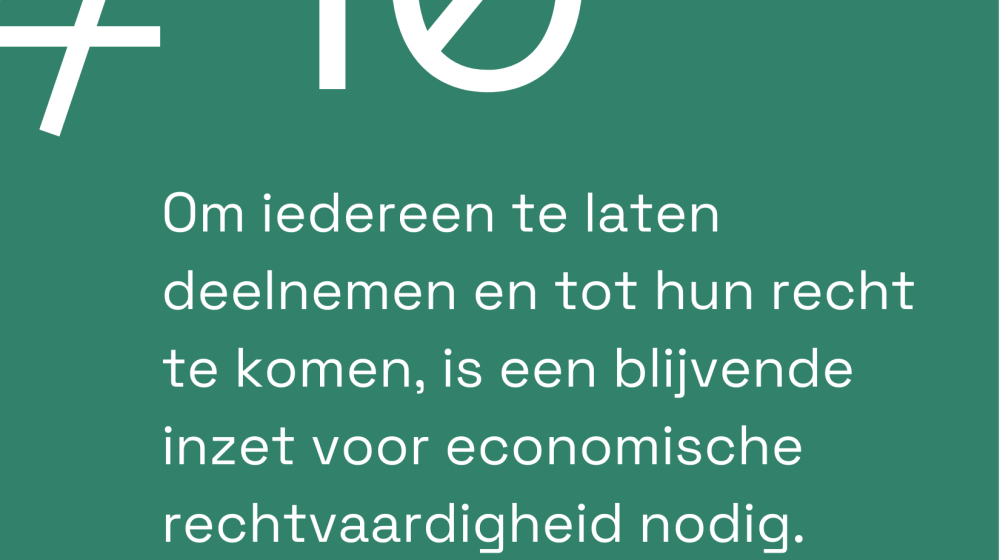
The principles revolve around a fundamental commitment to equality, solidarity, and reciprocity. The underlying premise is that time, energy, and talent are just as valuable as a financial contribution. The collective community takes precedence over the individual organization’s mission: regularly ask yourself whether you’re still relevant, and don’t be afraid to make adjustments.
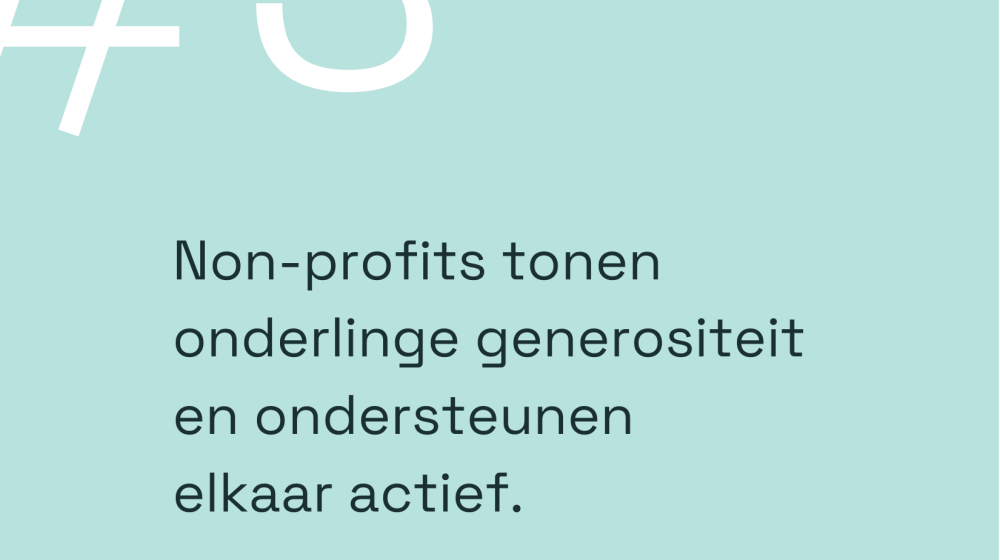
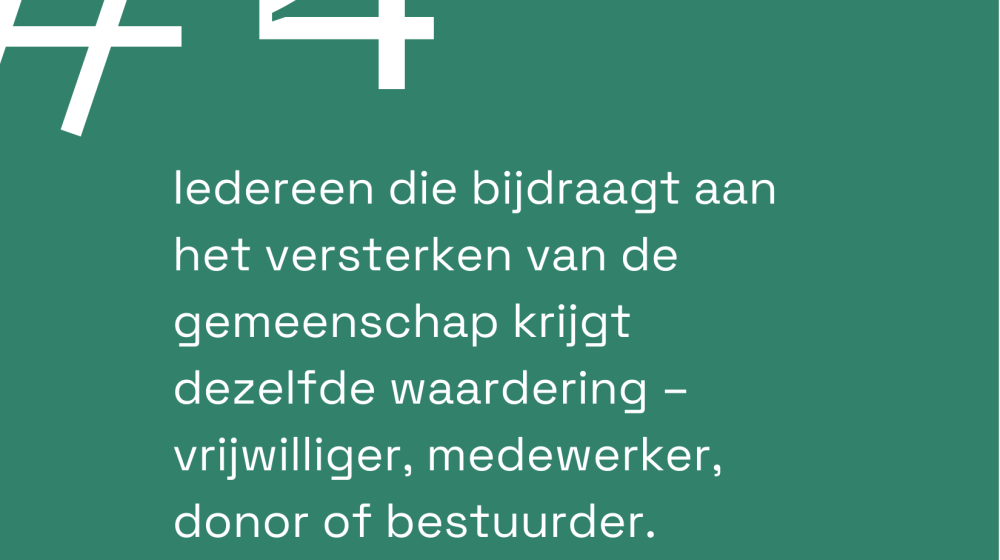
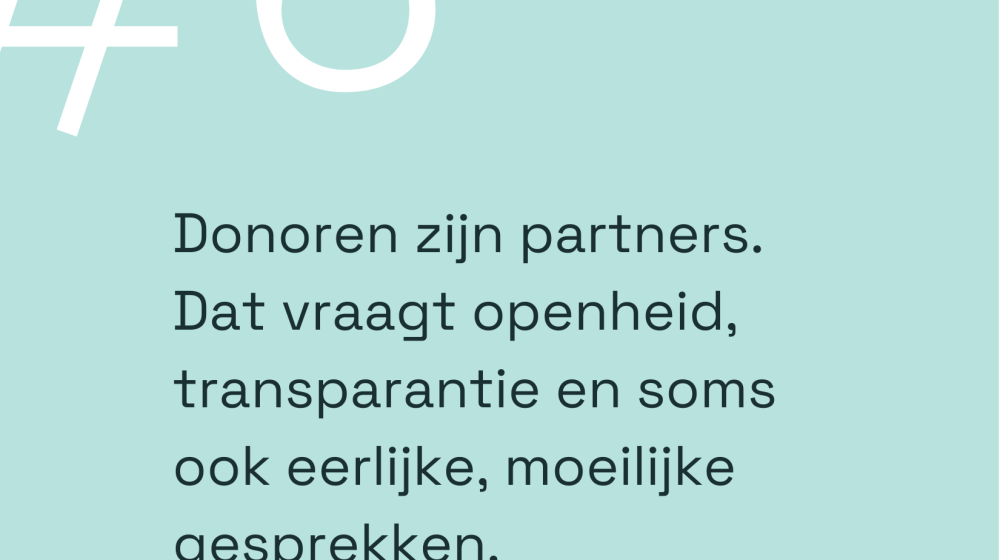
Fundraisers are generous toward other organizations: share knowledge, contacts, grant opportunities, and publicly acknowledge each other’s work. Co-create with the people you serve: give them a voice in decisions, involve them in setting goals, and let their needs remain the guiding principle. After all, donors are partners, not just financial backers: be transparent, even when it’s difficult, and be willing to have tough conversations when necessary. Recognize that everyone—donors, staff, and volunteers alike—stands to benefit personally from a more just society: this isn’t charity; it’s in everyone’s collective interest.
Examples from Belgium: It's possible
These principles may sound abstract, but they are already being put into practice in our sector. Consortium 12-12 is a great example of Principle 3 in action: five humanitarian organizations coordinate their fundraising efforts during disasters, thereby raising significantly more than they could individually. During the Ukraine appeal in 2022, they collectively raised more than 30 million euros, with 98.8% going directly to relief efforts. Not every man for himself, but stronger together.
Solidagro is a great example of co-creation: its work in agroecological farming is driven by farmers’ organizations that help shape policy themselves. The community is not a beneficiary but an equal partner that helps determine the direction of the initiative—and thus also what funds are raised for.
“Consortium 12-12 is a great example of Principle 3 in action.”
Communicating Confidently About Who You Are
Community-focused fundraising also requires a deliberate communication strategy. You have to be willing to state what you stand for—and what you don’t stand for. That means:
- Be selective about partnerships: not every collaboration strengthens your mission
- Communicating transparently about how your resources are being used
- Telling stories from the perspective of the community itself, not from a "rescuer's perspective"
- using "we" language instead of "we help them" language
In this way, you’re not only building the financial health of your own organization, but also the structural resilience of the entire ecosystem.
Philanthropy and government can go hand in hand
It is not a choice between grants and fundraising, or between the government and the private sector. Philanthropy and government grants can go hand in hand, but fundraising must always serve social goals—not the other way around. It is only when we reverse that order—and when the donor’s agenda becomes the organization’s agenda—that we lose our independence and credibility.
The pressure to secure grants is real, and so is the urgency. But it is precisely in this moment of pressure that it is essential to make a choice: it is not the one who shouts the loudest or has the largest network who wins, but the one who is most deeply rooted in their community. That is the strongest fundraising strategy and the best way to protect the values of civil society.
---
Here’s a call to action: take some time to actively reflect on the values you want to base your fundraising on, and discuss this with your colleagues—or perhaps your partners?