
For S&L, it starts with redistributing power and responsibility. No longer micromanaging from headquarters, but giving local partners the freedom to chart their own course. That sounds logical, but it’s anything but simple. Because decentralization requires trust, patience, and deliberate choices. It is a strategic process—not a symbolic gesture.
As part of a research report on decentralization for the Belgian NGO Federation, we examined how organizations are approaching this transition. One case outside Belgium stood out: St. John of God Malawi . Whereas ten years ago the organization was entirely dependent on funding from its Irish sister organization, today it generates a large portion of its own revenue through its own networks and partnerships. This was achieved not by being left to fend for itself, but through targeted investments in capacity-building, dialogue, and autonomy.
This case study tells the story of that transformation based on interviews with the director Kisa Sopera Mwafulirwa . Not as a blueprint, but as a source of inspiration. Because what St. John Malawi achieved shows that decentralization is more than just a structural change—it is a matter of vision, trust, and sustained commitment.
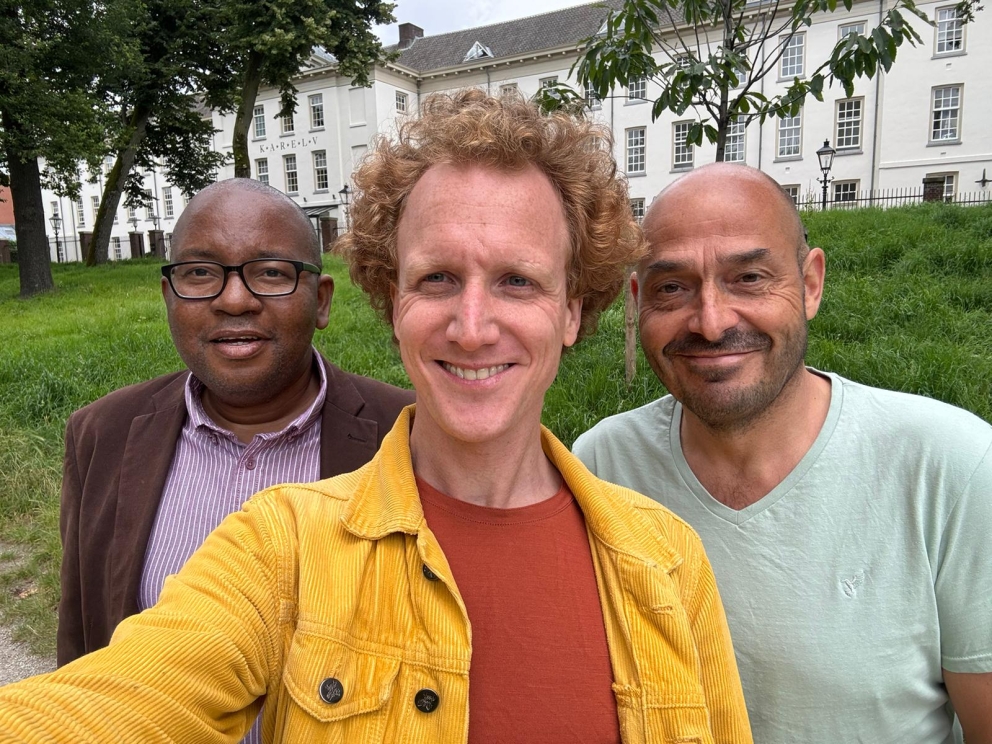
How St. John Malawi Evolved into an Independent Player in International Cooperation
Ten years ago, St. John Malawi was still entirely dependent on funding from its Irish sister organization. Today, it stands on its own two feet. The organization now raises more than 60% of its funds independently through its own networks and relationships with donors. This remarkable transition is no coincidence: it is the result of deliberate choices, targeted investment in internal capacities, and a strong belief in equal partnership.
The Building Blocks of Independence
1. Targeted investment in fundraising
St. John Malawi made a deliberate effort to build a professional team. Three key roles were created: a financial manager, a fundraiser for international partners, and a communications and partnerships officer. The Irish sister organization supported this expansion—not by continuing to micromanage everything, but by making one-time investments in startup costs, salaries, and promotional materials. Trust was paramount: there were no short-term expectations, but rather a shared belief in the potential of the local team.
2. Focus on Trust and Dialogue
Building relationships with donors took center stage. Through “donor days,” St. John Malawi brought its partners together in person—providing opportunities for mutual dialogue, context, and transparency. This fostered engagement and sustainable funding, as seen with a German organization that, following an initial pilot year, is now providing support for five years.
3. Staying True to the Core Mission
While many organizations adapt to donor trends—such as climate change, malaria, or gender—St. John Malawi remained true to its focus: mental health care. By combining this with a clear positioning as a full-service provider (from prevention to occupational health care), it built a strong, unique identity.

Not without its challenges
The road to independence was not without its challenges. The organization lost valuable staff to competitors, suffered reputational damage due to broader scandals in the NGO sector in Malawi, and at times ran up against religiously motivated restrictions on the provision of care. Yet it stayed the course. What helped? The enduring—yet supportive—ties with its Irish parent organization, which served as a seal of quality and a source of trust for other partners.
What Other NGOs Can Learn
The experience of St. John Malawi makes it clear that local autonomy is not a byproduct, but the result of deliberate choices. According to S&L, these are the essential lessons for organizations that truly want to give their partners more responsibility:
- Invest in relationships and mutual trust : Go beyond reporting. Get to know each other, listen actively, and share openly.
- Build capacity, not just projects : Local organizations need stable structures and skills to be able to grow on their own.
- Make roles and decision-making authority explicit : Transparency prevents misunderstandings and fosters a sense of ownership.
- Respect your partner's mission : Avoid imposing external agendas. Trust their expertise and local roots.
- Use international networks as leverage, not as a means of control : International support can provide legitimacy and stability, as long as it strengthens local autonomy.
Would you like to learn more about how S&L supports organizations in their transition toward greater autonomy and ownership? Or would you like to receive the report on decentralization that we prepared for the NGO federation?