The reduction in subsidies is prompting many organizations to raise funds faster and more broadly. But with that acceleration comes a risk: that we unconsciously evolve toward an Anglo-Saxon model in which philanthropists and major funds determine which initiatives receive attention and resources. That is precisely what we want to avoid in Europe. Fundraising should not start from what a donor wants, but from the community for which and with which you work.
There is also another danger: if all organizations dive into the fundraising pool at the same time, a "survival of the fittest" emerges in which the organizations with the largest budgets and best connections remain. That is not a solidarity-based ecosystem but a race to the bottom for the entire civil society sector.
The community as a compass
Community-oriented fundraising or community-centric fundraising offers a strong response to that challenge. The starting point is simple but radical: it is not your organization that is central, but the community. Fundraising is not an end in itself, but a means to achieve social change together.
The framework consists of 10 principles, drawn up by fundraisers from the US—yes, precisely the country where government involvement is minimal and fundraising exists in all shapes and sizes. Paradoxically, these principles offer us here in Belgium a valuable compass for doing things differently than in America.
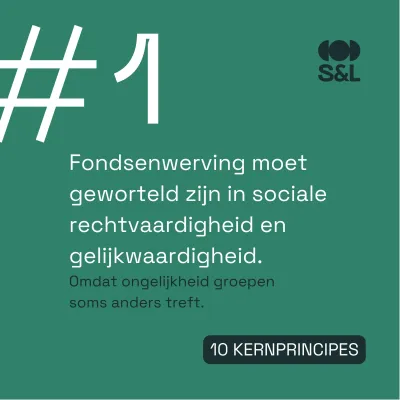
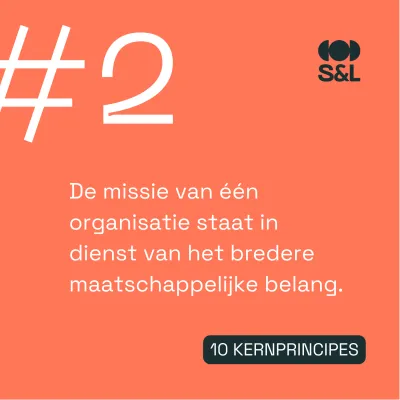
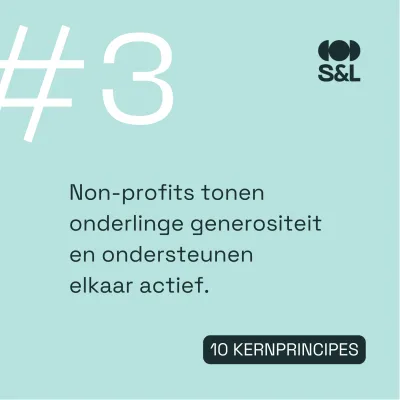
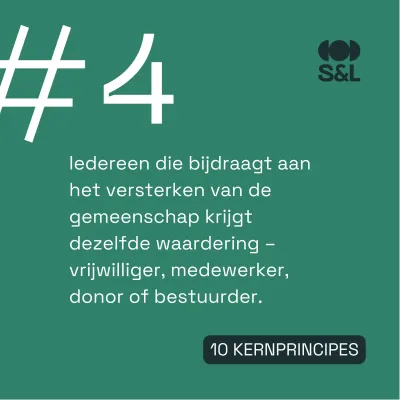
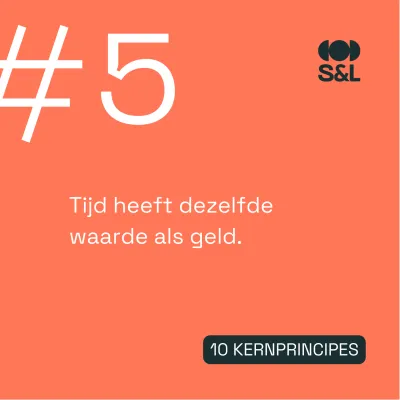
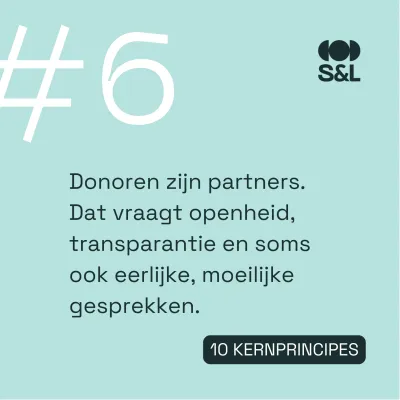
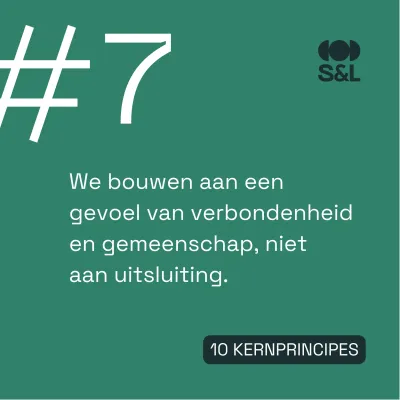
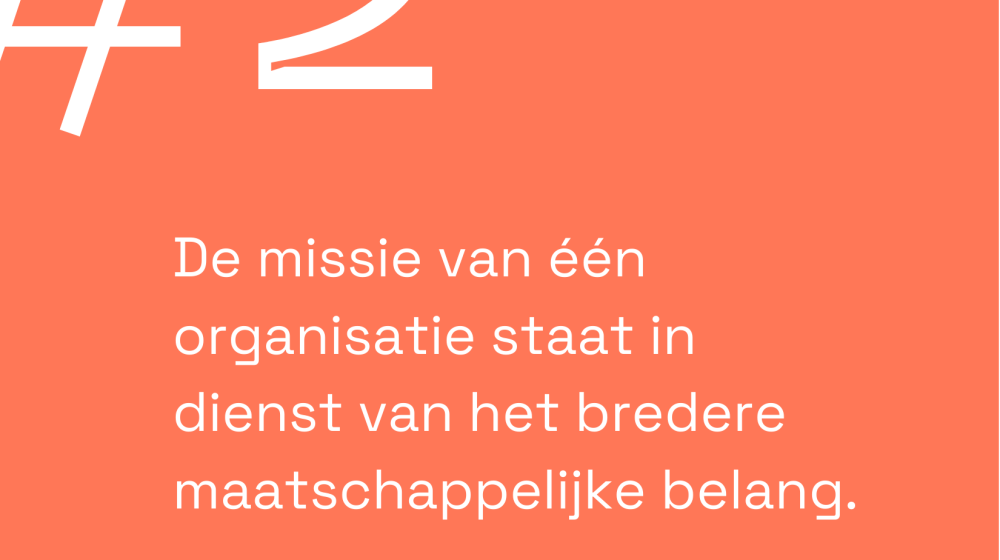
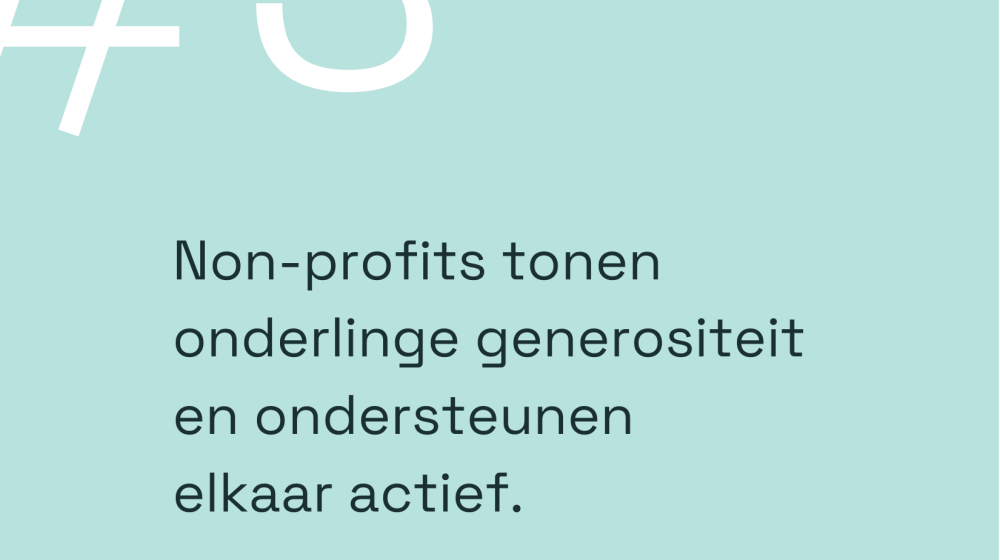
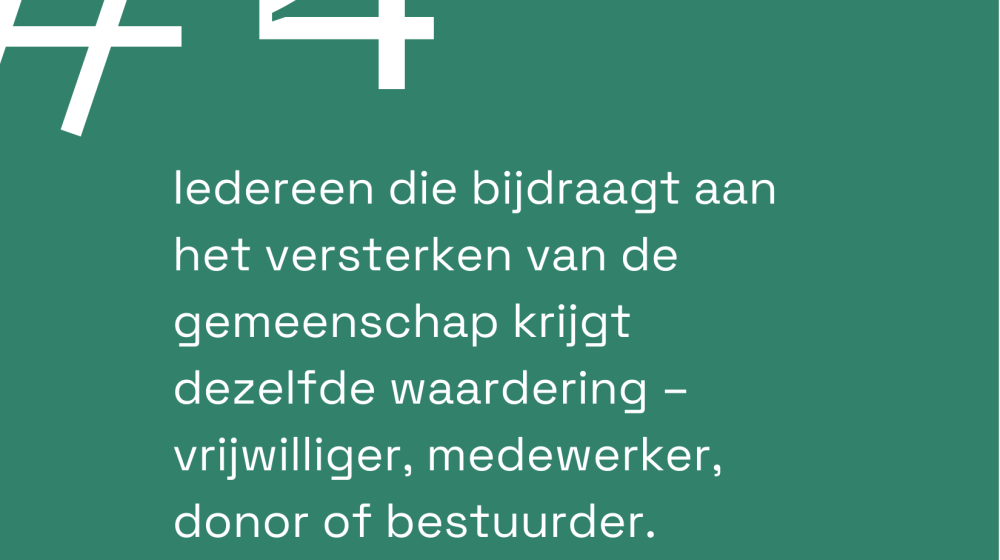
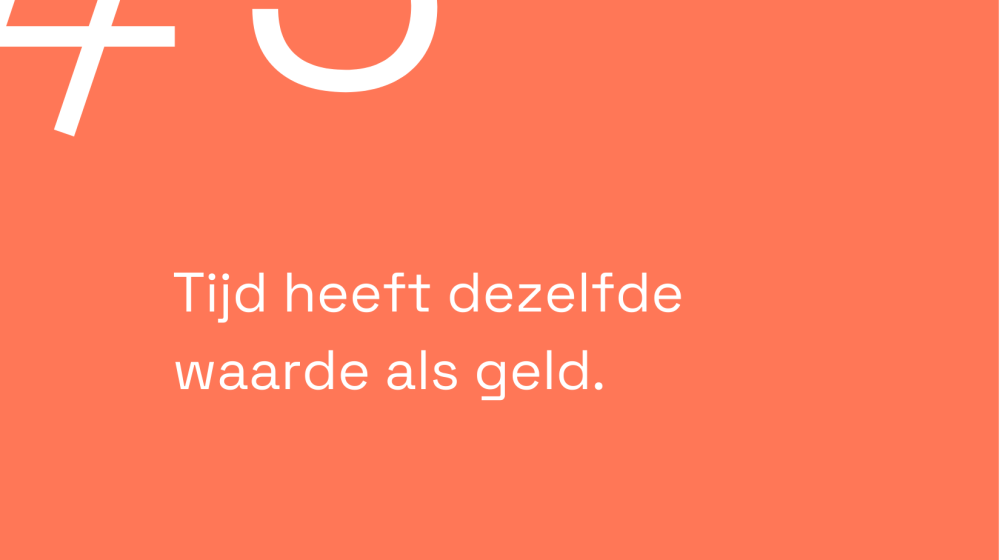
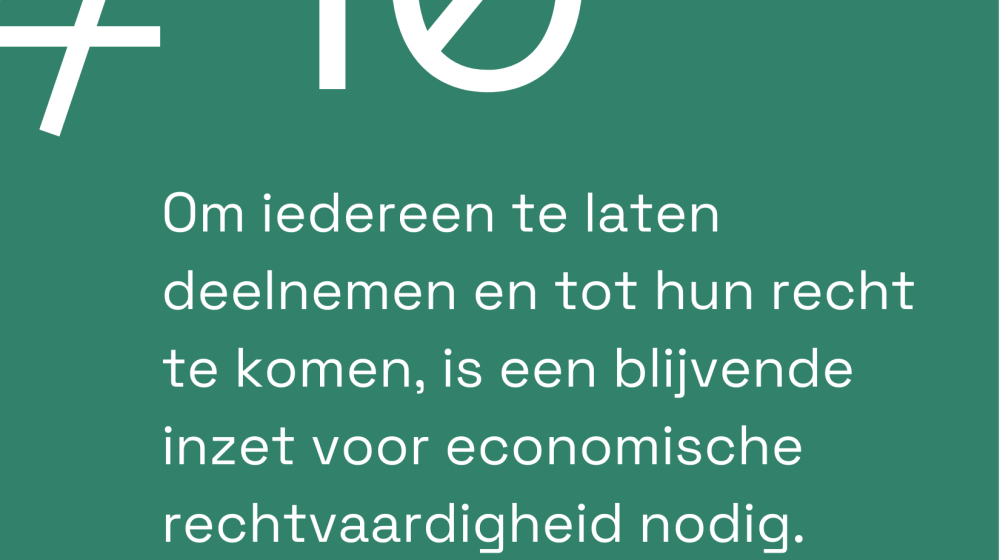
The 10 core principles translated into our context
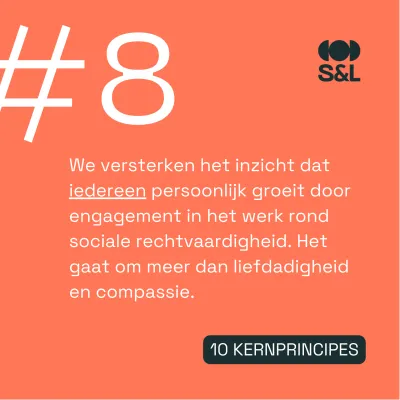
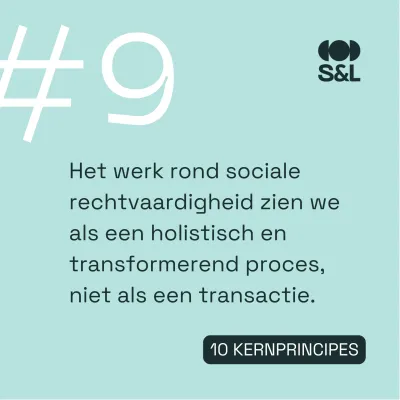
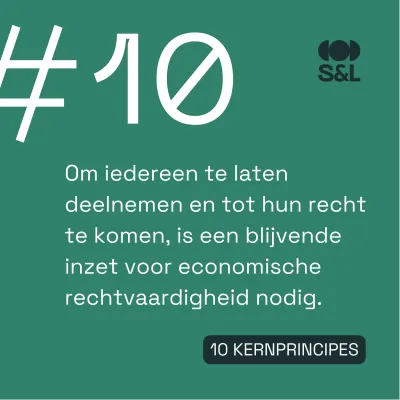
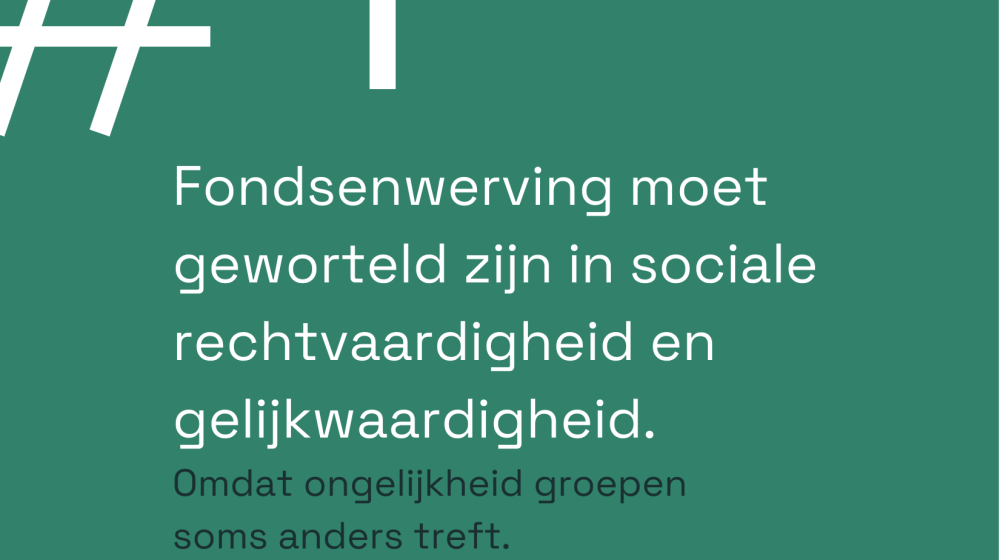
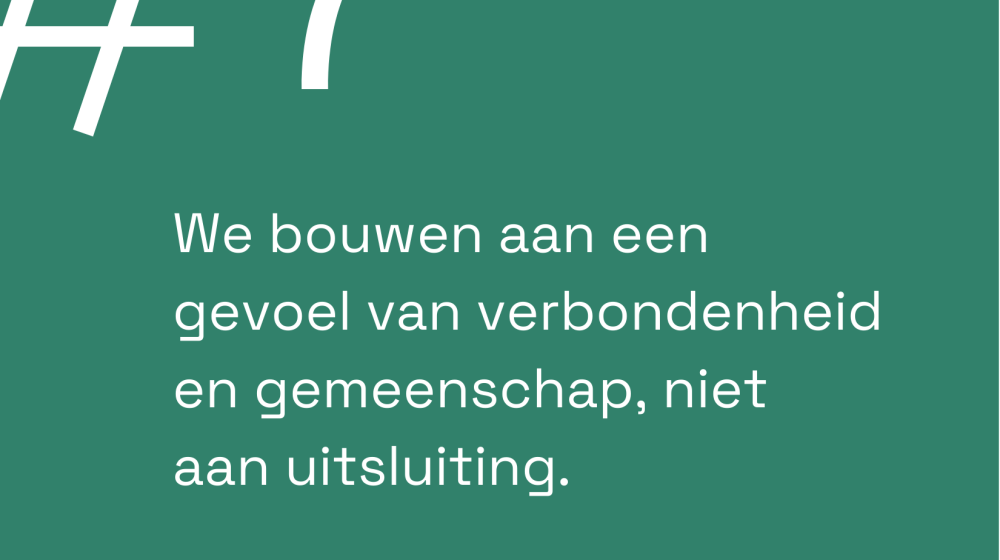
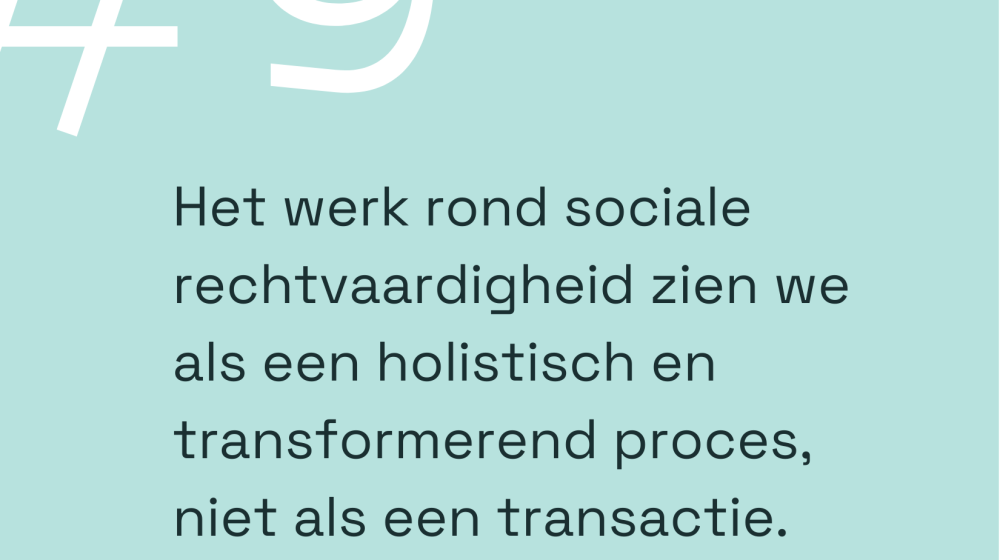
The principles revolve around a fundamental attitude of seeking equality, solidarity, and reciprocity. The underlying tone is that time, energy, and talent are just as valuable as a financial contribution. The collective community takes precedence over the individual organizational mission: regularly ask yourself whether you are still relevant, and dare to adjust course.
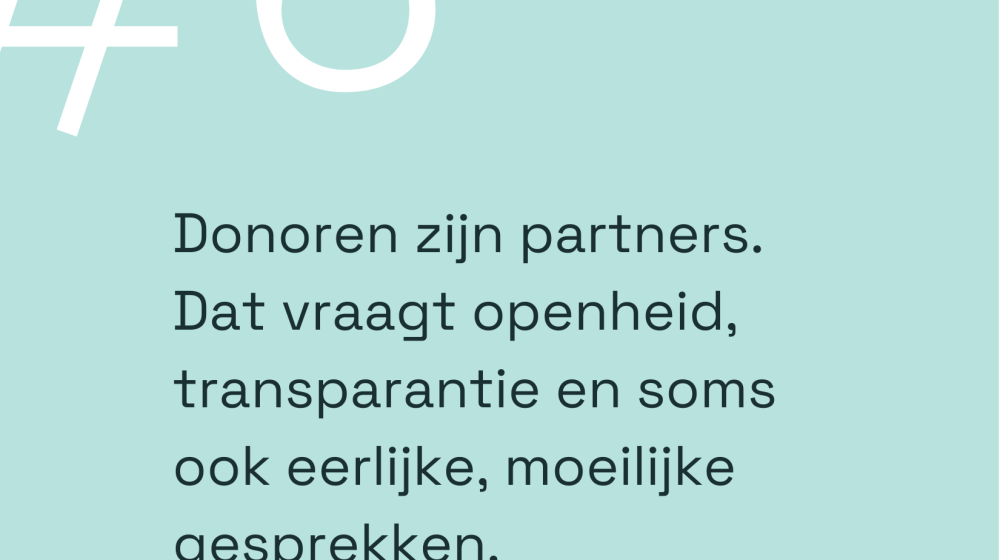
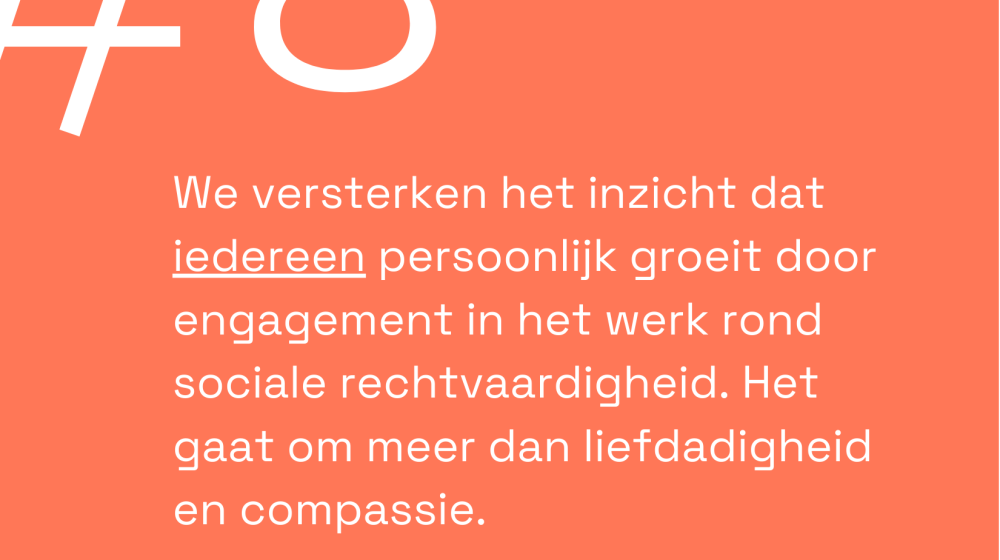
Fundraisers are generous toward other organizations: share knowledge, contacts, grant opportunities, and publicly mention each other’s work. Co-creation with the people you work for: give them a voice in decisions, involve them in formulating goals, and let their needs remain the guiding principle. Donors are partners, not financiers: be transparent, even when it is difficult, and sometimes have a challenging conversation. Realize that everyone, donors as well as staff and volunteers, personally benefits from a fairer society: this is not charity, this is collective self-interest.
Belgian examples: it is possible
These principles may sound abstract, but they are already alive in our sector. Consortium 12-12 is a fine example of principle 3 in action: five humanitarian organizations coordinate their fundraising together during disasters and thus raise considerably more than they each could separately. In the Ukraine appeal in 2022, they raised more than 30 million euros together, with 98.8% going directly to aid provision. Not everyone for themselves, but stronger together.
Solidagro nicely illustrates co-creation: their work on agroecological farming starts from farmers’ organizations that help formulate policy themselves. The community is not a beneficiary but an equal partner that helps determine the direction and therefore also what funds are raised for.
“Consortium 12-12 is a good example of principle 3 in action.”
Communicating boldly about who you are
Community-centered fundraising also requires a deliberate communication strategy. You have to dare to say what you stand for and what you do not stand for. That means:
- Being selective with partnerships: not every collaboration strengthens your mission
- Communicating transparently about how your resources are used
- Telling stories from the community itself, not from a "savior frame"
- Using "we" language instead of "we help them" language
In this way, you build not only the financial health of your own organization, but also the structural resilience of the entire ecosystem.
Philanthropy and government can go hand in hand
It is not a choice between subsidies or fundraising, between government or private individuals. Philanthropy and a subsidizing government can go perfectly well together, but fundraising must always serve societal goals, and not the other way around. It is only when we reverse that order and when the donor’s agenda becomes the organization’s agenda that we lose our independence and credibility.
The pressure on subsidies is real, and so is the urgency. But precisely at this moment of pressure, it is essential to choose: it is not whoever shouts the loudest or has the largest network who wins, but whoever is most firmly rooted in their community. That is the strongest fundraising strategy and the best protection of the values of civil society.
---
With this, a call to actively reflect on the values from which you want to fundraise and to discuss this with colleagues/competitors, or are they in fact partners?