The circular economy has been the subject of strategy papers, future visions and networking events for years. But according to Nicholas Vijverman, circular economy expert at S&L, practice is finally shifting from promise to action. Companies are starting to implement it on a large scale: “Three years ago, 40% of companies saw the importance of circularity. Today that is 75%. This is no longer hype, it is reality,” says Nicholas.
Still, it remains a search. Between idealism and regulation, between greenwashing and pioneering work, between affordability and accessibility.
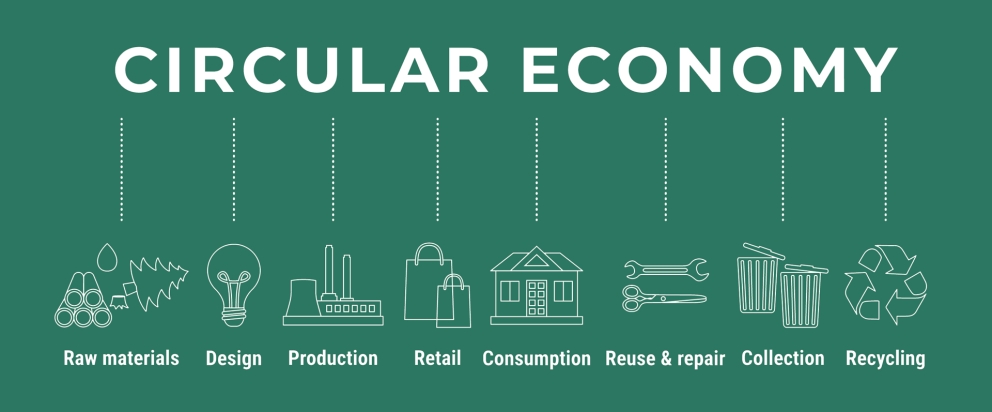
Everyone is talking about circularity. But where do we really stand by now?
Nicholas Vijverman: “The buzz has died down somewhat, but that isn’t necessarily a bad thing in itself. We are in the phase of: not just talking, but doing. You can feel that many organizations are making the move from strategy to implementation. And yes, some are still searching, but that makes sense. Circularity is not plug-and-play.”
The term ‘regenerative’ is appearing more and more often. Is that a new phase?
Nicholas: “It mainly broadens the circular story toward biological cycles: food, compostable materials... But fundamentally, it is still about the same thing: dealing with raw materials differently, avoiding waste, closing systems.”
Legislation is important, but also difficult. How do you see it?
Nicholas: “Legislation is developing quickly. That creates progress, but also paralysis. Companies want to know where they stand, and that simply isn’t always clear right now. SMEs in particular do not always have the people in-house to keep up with all of it. But in the long term, legislation is essential to get everyone on board. Not only to make things mandatory, but also to support pioneers.
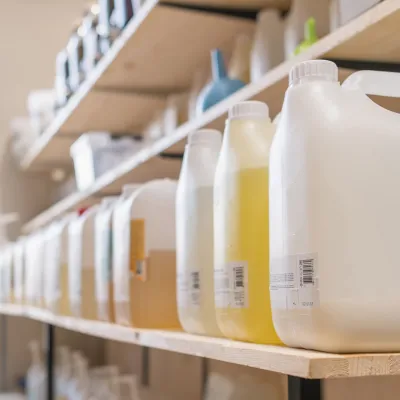
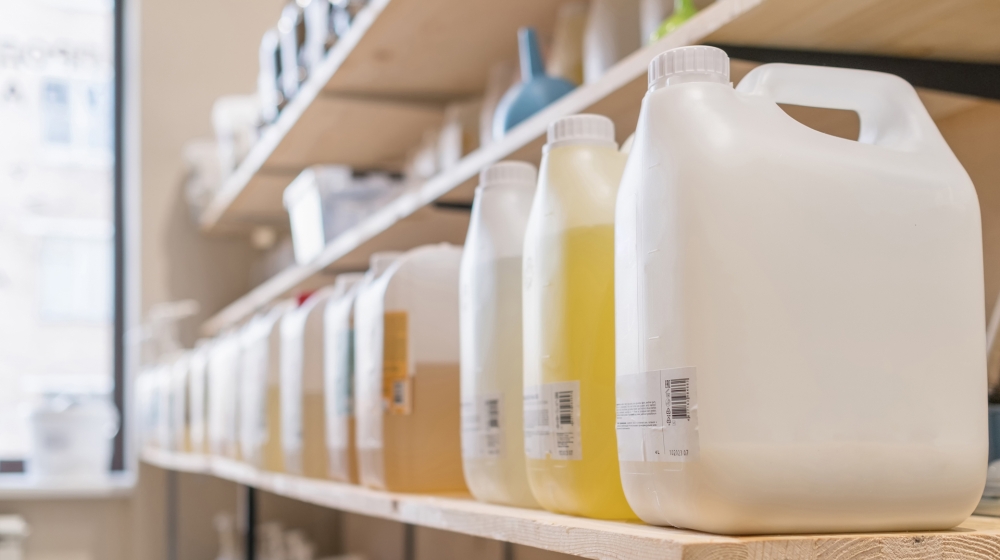
Take, for example, the new reporting obligation or the upcoming rules around reuse in retail. Many shops do not know how to get started with that in practice. Then a small player like OHNE, which is fully committed to refill and reusable packaging, suddenly becomes a source of inspiration. They show how it can be done, how you can combine refill with a profitable retail concept.”
Are there sectors or companies that are already doing well?
Nicholas: “Absolutely. Interface, a carpet manufacturer, wants to be fully carbon negative by 2040. They think circularly in everything they do, from energy consumption and water treatment to modular carpet tiles that you can replace individually. So that goes far beyond recycling.
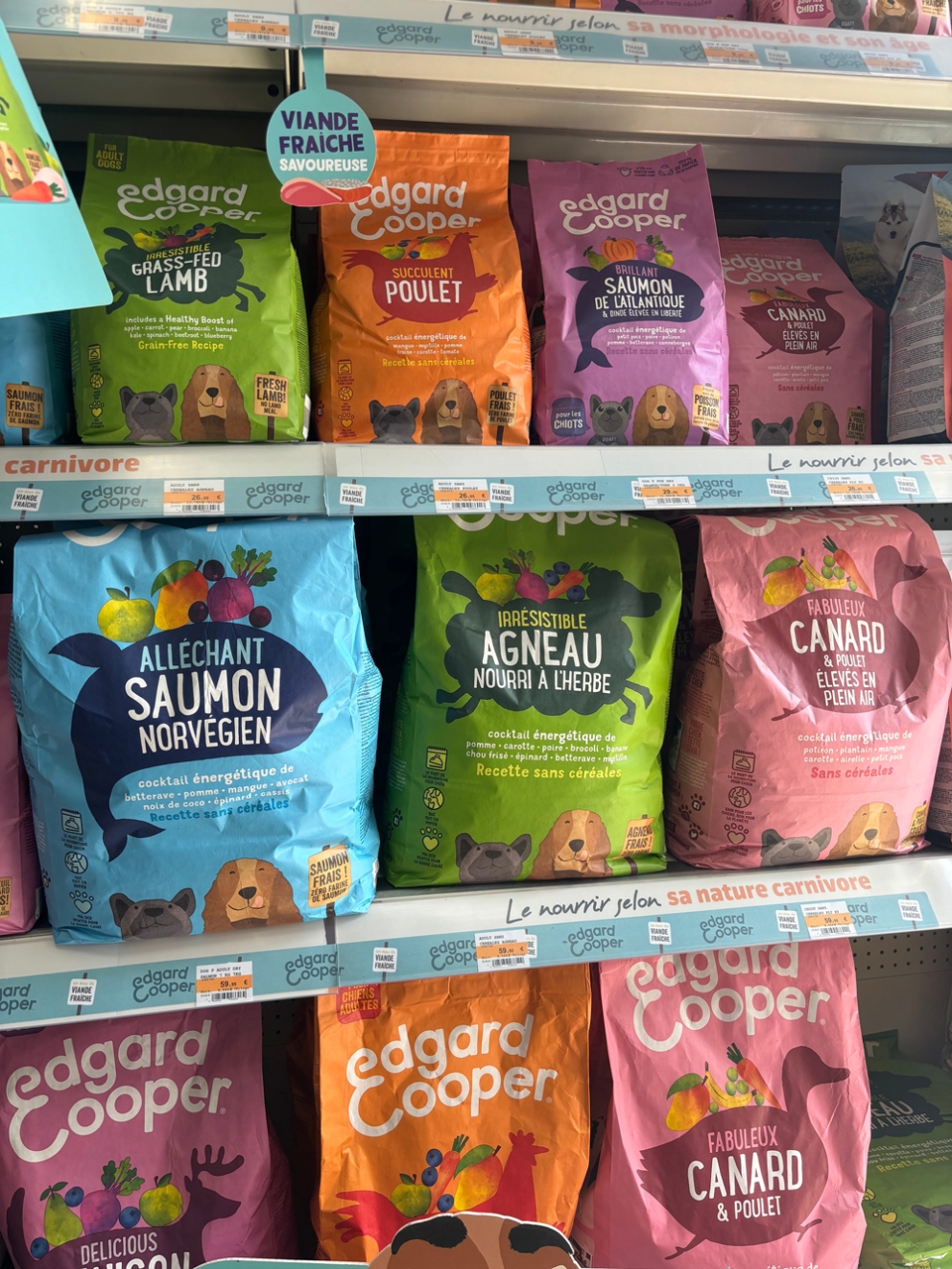
Or think of Edgard & Cooper, a Belgian pet food company that is determined to bring real change to the world of pet food. They challenge entrenched habits and make radically different choices; not because it is easy, but because it is right. Edgard & Cooper shows how sustainability does not have to be a separate strategy, but can form the core of how you run your business every day.
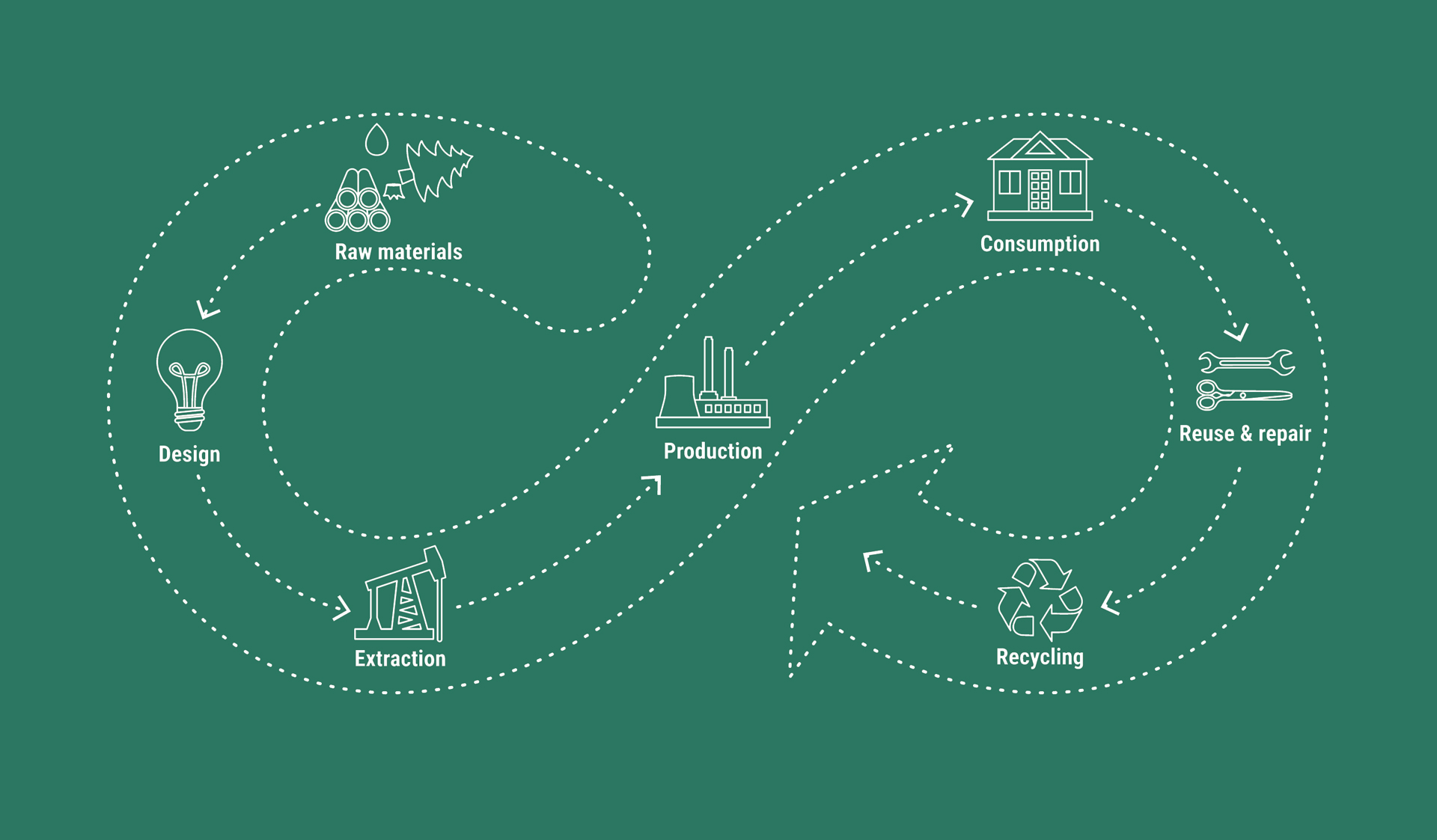
There are also networks that make a difference, such as the Green Deal Renting and Sharing. That is not an individual initiative, but a platform for organizations to collaborate and exert political pressure. That brought circularity higher up the Flemish agenda.”
And where does it mostly remain just talk?
Nicholas: “For players in FMCG, such as food and personal care, it is not straightforward. Their products revolve around convenience, speed and scale, which makes implementing circular models such as reuse or refill especially complex. Consumers expect ease of use and stores want to use their floor space as efficiently as possible. Refill is difficult if your store relies on throughput and impulse - it makes reusable packaging difficult to make profitable.
Still, there are attempts there too. Smaller players try to start from a different business model. But as long as scale is lacking - or the pressure from legislation and customers is not great enough - it often remains limited to pilot projects.”
Is circularity also financially profitable?
Nicholas: “Without a doubt. Raw materials are becoming increasingly expensive and volatile. Think of metals such as gold, silver or platinum: fluctuating prices, scarcity, dependence on geopolitical situations. Circularity helps you as a company to be less vulnerable.
It is also not a far-fetched idea. Many companies are becoming greener, but circularity is essentially about raw materials. Those who deal with them proactively will be ready for the future.”
“Companies that do not actively help shape the future will soon be guided by the choices of others.”
Yet it often remains an elite story. Sustainable products are more expensive. How do we make this more democratic?
Nicholas: “I understand that criticism. Sustainable clothing costs more to buy. But fast fashion that falls apart after being worn five times is ultimately just more expensive. Moreover, there certainly are circular models that have a democratizing effect: car sharing, thrift stores, repair cafés... And the social economy can play a key role in this. Because circularity is more labor-intensive, so there is a lot of potential there.”
What advice do you give companies that want to get started?
Nicholas: “Sustainability can no longer be a side issue; it must be embedded in the core of your business strategy. Not because it is a ‘nice bonus’, but because it is the only way to remain relevant in a world that is changing structurally. Climate impact, resource scarcity and social pressure are redrawing the playing field. Companies that do not actively help shape it will soon be steered by the choices of others. Those who, on the other hand, show leadership now will help determine the rules of tomorrow.”
“As an organization, you shouldn't wait for perfect legislation or for the grand plan. Start with something. And talk to others. The future is not linear, but circular.”
It is no longer optional
The circular economy is not an endpoint, but a transition. Not everything works perfectly, not every model is scalable. But the direction is clear, the urgency is palpable. As an organization, you should not wait for perfect legislation or for the grand plan. Start with something. And talk to others. The future is not linear, but circular.
Want to know more or get started yourself?
S&L supports companies, governments and networks that want to work towards a circular future. We are actively involved ourselves in, among other things, the Green Deal Huren en Delen, and guide organizations in setting up sustainable chains, new business models or circular experiments.
Would you like to exchange ideas with Nicholas or explore what your next circular step could be?