A qualitative evaluation of UiTPAS

The client
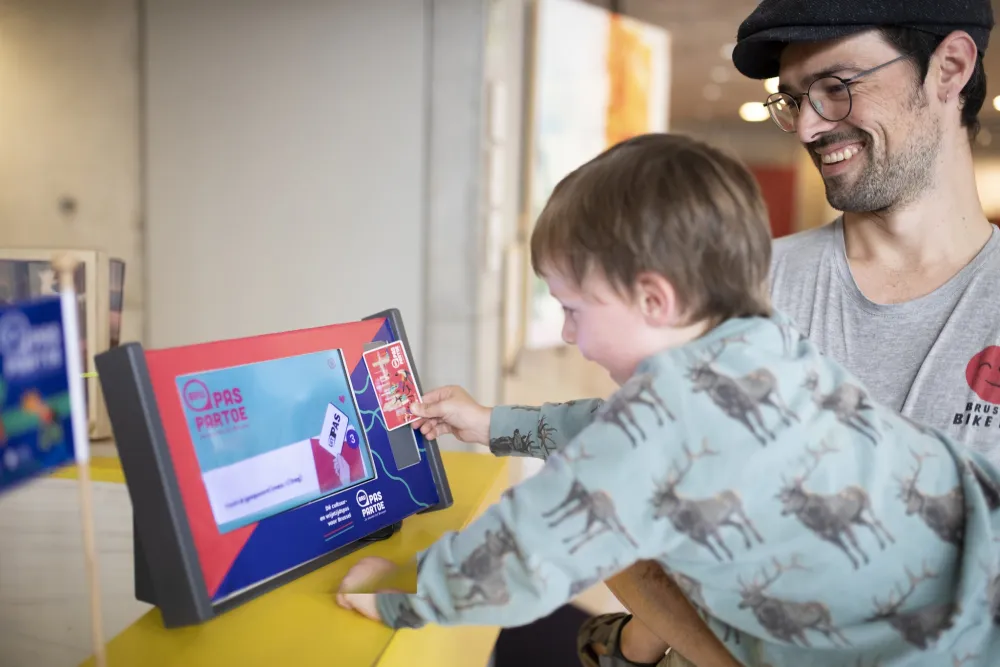
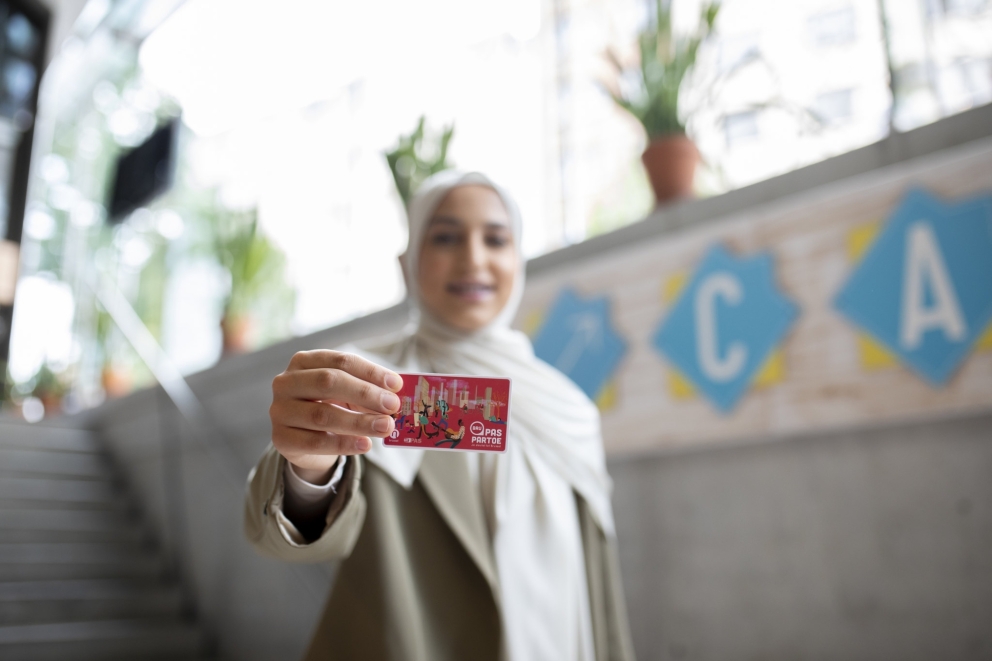
For 12 years, UiTPAS has been making leisure activities more affordable and accessible. It is now available in more than half of all Flemish cities and municipalities. The network brings together more than 500,000 cardholders and 5,000 organisers. UiTPAS helps more people take part in leisure activities, particularly those on a limited income.
The question
publiq asked us to carry out a qualitative evaluation of UiTPAS. Since the previous evaluation in 2018, the programme had grown considerably, creating a need for a clear and critical assessment of its actual impact. publiq wanted both a thorough evaluation of the programme and practical recommendations for increasing its impact.
The impact
The evaluation gave us a detailed picture of the UiTPAS network. We spoke with representatives from sports and cultural organisations, people with lived experience of poverty, community organisations and local authorities that work with UiTPAS. The findings help publiq target future investment more effectively and improve the system underpinning UiTPAS. The further rollout of UiTPAS across Flanders is also included in the Flemish coalition agreement.
The challenge
publiq wanted the process to include all stakeholders, particularly people with lived experience of poverty. Reaching and involving those voices is not always straightforward. Fortunately, publiq had strong relationships with associations in which people experiencing poverty speak for themselves. Together, we were able to identify an appropriate approach. We used visual methods and worked through intermediaries who had already built trusted relationships with the participants.
Following the principles of safe(r) spaces, we met people in surroundings that were familiar to them. During group discussions, we created the conditions they needed to express their views safely and confidently. We addressed the usual power imbalances in group conversations through reflective questions such as: “What space am I taking up?”, “Why does this affect me?” and “What inspires me?” Those who preferred not to speak in a group could instead take part in an in-depth interview.
We tailored our approach to each stakeholder group. For cardholders, the focus was on their experience of applying for and using UiTPAS. Local authorities were primarily interested in how the underlying system worked. Bringing these different perspectives together required careful coordination and thoughtful use of the safe(r)-spaces methodology.
“In a short space of time, S&L not only succeeded in consulting a broad and diverse range of stakeholders, but also made the complex layers of UiTPAS clear and understandable.
”
The collaboration
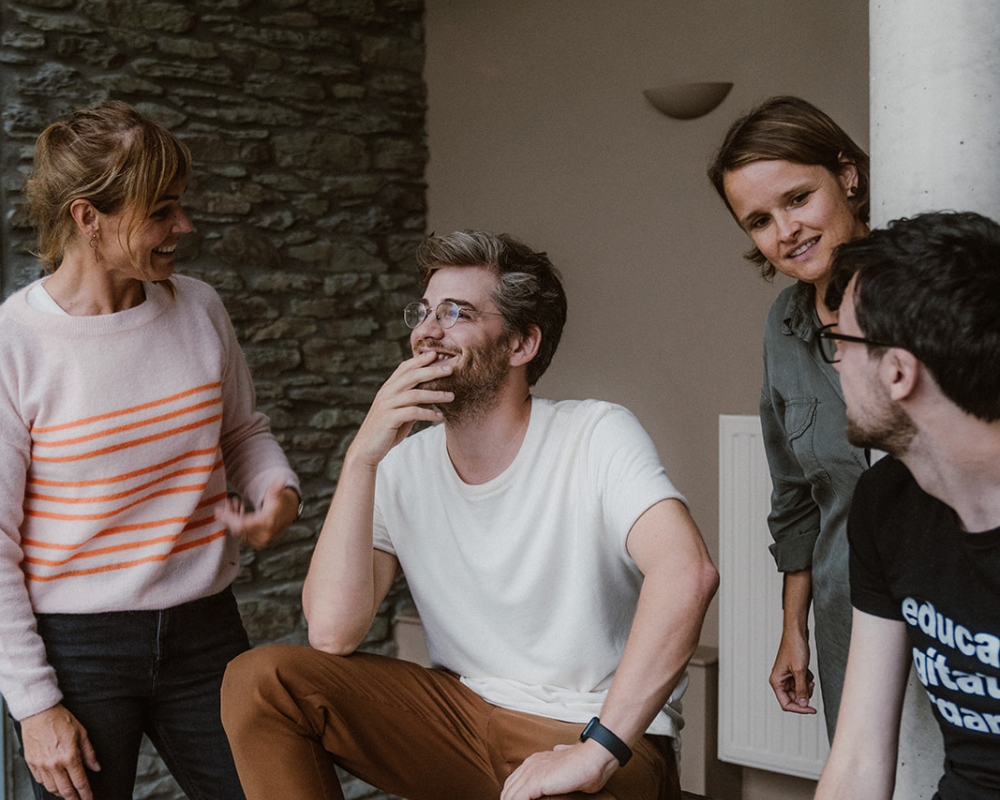
Our collaboration with publiq was intensive but efficient and lasted approximately three months. While publiq provided the quantitative data, we carried out the qualitative evaluation. We consulted a total of 51 stakeholders through focus groups and in-depth interviews, including cardholders, local authorities, experts on poverty, sports clubs and cultural organisations. Regular coordination allowed us to refine the approach continuously and strengthen it with academic input.
---
Images: © Lies Engelen
A qualitative evaluation of UiTPAS had support of these team members
Does this case appeal to you?
We would be happy to discuss your organisation’s specific needs. Two of our consultants will meet with you to explore your request and develop an initial proposal. Based on your feedback and further co-creation, we will then prepare a final proposal.